Choosing between an Arlington or Alexandria condo can feel like picking between two great lifestyles. You might want an easy Metro ride, modern amenities, or the charm of historic streets near the water. The good news is you can have a version of all three. This guide breaks down commute trade-offs, neighborhood feel, monthly costs, and key ownership checks so you can decide with clarity. Let’s dive in.
Commute and transit trade-offs
Your daily routine is the best place to start. Both Arlington and Alexandria offer strong transit, but the routes and feel are different.
Arlington: faster access to multiple lines
- You get frequent service along the Rosslyn–Ballston and National Landing corridors. Key hubs like Rosslyn, Clarendon, Ballston, Pentagon City, and Crystal City connect to the Orange, Silver, and Blue lines. That can mean fewer transfers to core DC job centers. See station details on the Rosslyn Station page.
- Arlington Transit (ART) and a deep bike network help with last-mile connections. Learn more about local service on the ART website.
Alexandria: Blue/Yellow corridor and waterfront access
- The Blue/Yellow spine serves King Street–Old Town, Braddock Road, Eisenhower Avenue, and the newer Potomac Yard stop. Check the Braddock Road Station page for line info and connections.
- Old Town is highly walkable to the waterfront and King Street retail. Trolley and DASH bus options support car-light living.
Pro tip: Time the commute from the condo door to your workplace. Include station walk time, platform wait, and train time. If you work near K Street or Metro Center, Arlington’s multi-line access may save transfers. If you work along the Blue/Yellow spine or near National Landing, select Alexandria nodes can be just as quick.
Neighborhood feel and building types
Arlington: urban villages and modern towers
- Expect mid-rise and high-rise buildings with on-site gyms, concierge, package rooms, and rooftops. Many sit within planned “urban villages” like Clarendon, Ballston, and National Landing. Explore Clarendon’s walkability and transit on this neighborhood page.
- The trade-off is higher cost per square foot in exchange for convenience and amenities.
Alexandria: historic charm and emerging hubs
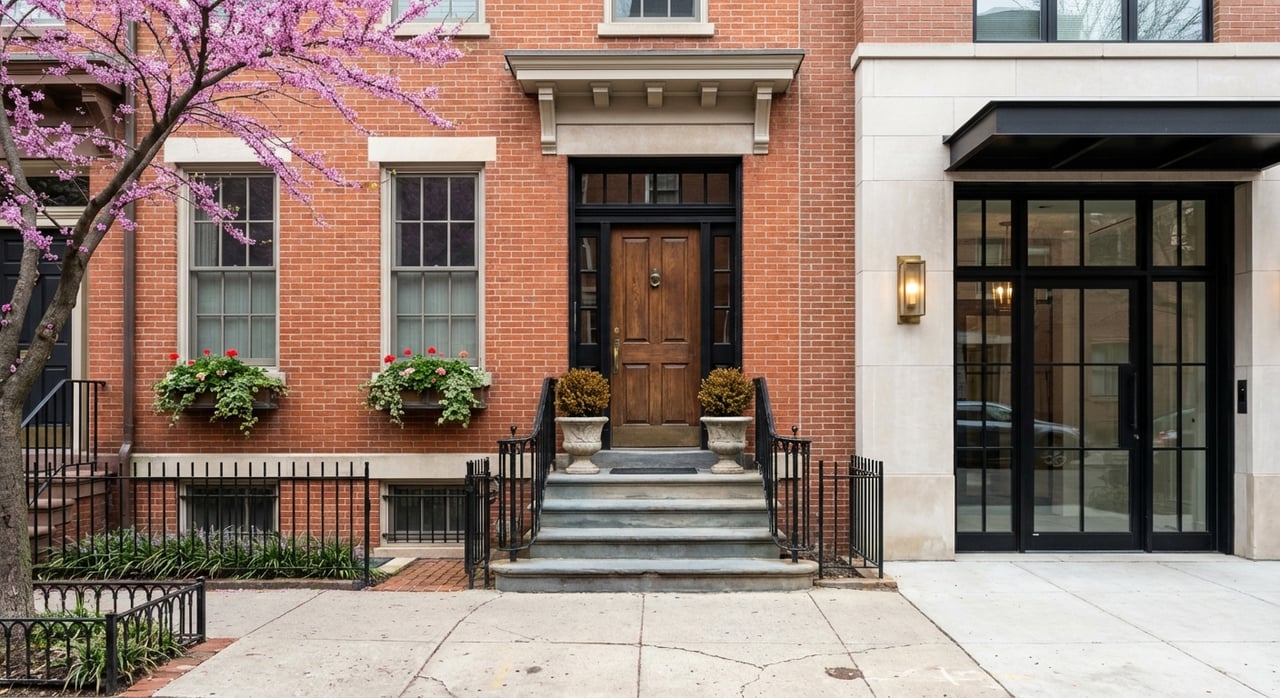
- Old Town offers boutique condo buildings, many in converted brick properties on historic streets near shops and the waterfront. The vibe is classic and intimate, sometimes with fewer on-site amenities.
- Newer mixed-use areas like Carlyle, Eisenhower, and Potomac Yard add mid-rise options with more modern features and Metro proximity. See context for the Potomac Yard infill station.
- For a snapshot of Old Town’s street-level energy, browse a recent waterfront event feature from the city’s tourism office here.
Amenities, fees, and monthly costs
Condo fees can range widely, and what they cover matters.
- Newer, amenity-rich towers in Arlington and National Landing often include concierge, fitness centers, and more robust master insurance. Those services raise monthly fees but simplify upkeep.
- Older conversion condos and garden-style buildings in Alexandria’s inner neighborhoods and Old Town may show lower entry prices but can have varied reserve funding and future project needs. Always review the reserve study, meeting minutes, and any history of special assessments before you buy.
- Fees can run from the low hundreds per month in small buildings to more than $1,000 per month in full-service communities. Compare what is included: heat, water, trash, parking, pool, gym, and security.
Property taxes and sample math
Both jurisdictions publish tax rates and assessment guidance.
- Arlington’s FY 2026 real estate tax rate is set at $1.033 per $100 of assessed value. See the county budget overview here.
- The City of Alexandria’s FY 2026 real estate tax rate is $1.135 per $100 of assessed value. You can view the city’s rate page here and general real estate tax resources here.
To estimate an annual bill: Assessed Value × (Rate ÷ 100). Then divide by 12 to fit your monthly budget. Rates can change year to year, and assessments update on cycles, so use current figures and confirm with the jurisdiction.
Parking, permits, and guests
Arlington and Alexandria both use residential permit zones in busy areas. If your building does not include assigned parking, confirm street eligibility, guest-permit rules, and enforcement. Alexandria’s program details are summarized in the city’s Residential Parking Permit facts. Check Arlington’s local guidance by neighborhood before you rely on street parking.
Short-term rentals: rules to know
If you plan to host, rules matter at two levels: city and association.
- Alexandria has a short-term residential rental permit program with rules on parking, occupancy, and good-neighbor practices. Review the city’s short-term rental page.
- Arlington allows accessory homestays under defined conditions related to primary residence and zoning. Building rules may be more restrictive than city rules in both locations. Always confirm with the HOA documents.
Financing and building health
Condo loans are about more than your personal credit. Lenders also review the project itself.
- Many conventional loans follow Fannie Mae project standards. Projects with low reserves, high delinquency, large commercial components, or active litigation can be flagged as non-warrantable, which can limit loan options. Learn how lenders view projects in Fannie Mae’s project standards.
- Virginia’s Condominium Act outlines key owner rights and association duties, including budgets, reserves, and required disclosures. Get familiar with the basics in the Virginia Condominium Act.
What this means for you: request the full resale package, study the reserve report, and ask your lender to review the project early so there are no surprises before closing.
How to choose: a quick framework
Use your daily life as the filter.
- Choose Arlington if you want multi-line Metro access, a dense urban core, and new or newer buildings with strong amenity packages.
- Choose Alexandria if you value Old Town’s historic streets and waterfront lifestyle or you want a blend of charm and newer development in places like Carlyle, Eisenhower, or Potomac Yard.
- If you plan to be car-free, map out station walks and bus or trolley frequencies. If you drive often, weigh garage availability and permit-zone rules.
- If you plan to rent out sometimes, confirm short-term rental rules at both the city and HOA levels.
Buyer checklist: what to review before you write an offer
Bring this list to your search and keep it handy during contract review.
- Request the full condo resale packet: budget, reserve study, bylaws, declaration, rules, insurance certificate, meeting minutes, and aging/collections info. See the framework in the Virginia Condominium Act.
- Ask about active or planned special assessments. Request engineer or contractor reports that support any major work. The Act outlines owner rights and required disclosures here.
- Confirm parking: assigned space numbers, guest-permit options, and any waitlists. For city permit rules in Alexandria, review the Residential Parking Permit program.
- Verify rental and short-term rental policies at both the building and city levels. For Alexandria’s program, start with the short-term rental guide.
- Ask your lender to check project warrantability early and discuss options if the building is non-warrantable. Background is available in Fannie Mae’s guidance.
- Inspect the unit and visible common elements. Compare findings to the reserve study and recent board minutes so you understand near-term risk.
Ready to compare specific buildings?
You do not have to choose in the abstract. Tour a modern Arlington tower near Rosslyn–Ballston, then a boutique Old Town building near King Street, and you will feel the difference right away. From there, you can fine-tune must-haves like concierge, rooftop views, garage parking, or a quieter, historic block.
If you want a curated shortlist and guidance through fees, reserves, and lending, connect with a local advisor who works both sides of the river. For hands-on tours, lender and inspector referrals, and white-glove contract-to-close support, schedule time with Jenna Gallant. She will help you match lifestyle, budget, and building health so you can buy with confidence.
FAQs
What are the condo property tax rates in Arlington and Alexandria?
- Arlington’s FY 2026 rate is $1.033 per $100 of assessed value, and Alexandria’s FY 2026 rate is $1.135 per $100. Review Arlington’s budget overview here and Alexandria’s rates here.
How do HOA fees compare between Arlington and Alexandria condos?
- Fees vary widely in both markets. Smaller or older buildings may have lower fees, while full-service towers often exceed $1,000 per month. Focus on what fees include, the building’s reserve funding, and any planned capital projects.
Is commuting from Alexandria to downtown DC by Metro convenient?
- Yes, many trips are straightforward on the Blue/Yellow lines from King Street–Old Town, Braddock Road, Eisenhower Avenue, and Potomac Yard. Check specific routes and connections on the Braddock Road Station page and compare with Rosslyn if you are weighing Arlington.
Can I use my condo for short-term rentals in either city?
- It depends on city rules and your HOA. Alexandria requires a short-term rental permit and has detailed guidelines you can review here. Arlington allows short-term rentals under defined conditions tied to primary residence and zoning. Always confirm HOA bylaws.
What condo documents should I review before buying in Virginia?
- Ask for the full resale packet: budget, reserve study, bylaws, declaration, insurance certificate, rules, and recent board minutes. Learn the framework for disclosures in the Virginia Condominium Act.