Torn between a classic Capitol Hill rowhome and a sleek condo near Metro? You’re not alone. Both options put you close to markets, parks, and restaurants, but they live very differently day to day. In this guide, you’ll compare space, lifestyle, maintenance, financing, and resale factors so you can choose with confidence. Let’s dive in.
Capitol Hill market context
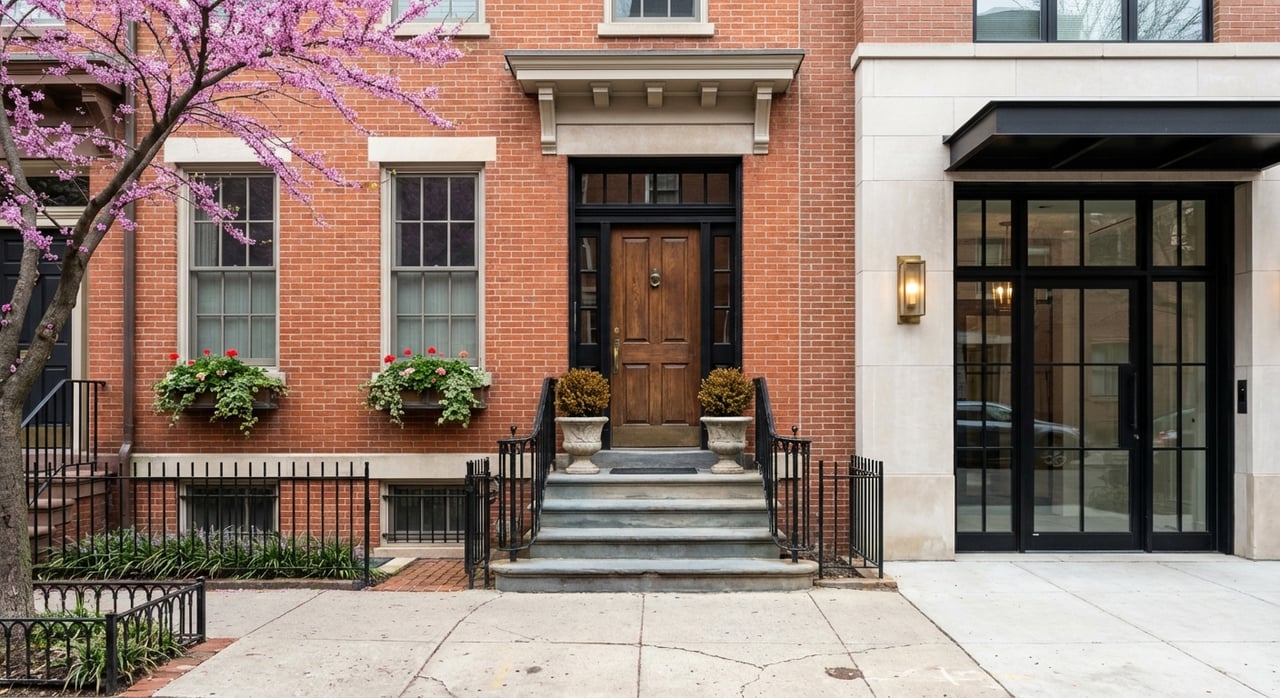
Capitol Hill is best known for its 19th‑century brick rowhouses, with a growing mix of boutique and mid‑rise condos along major corridors and near transit. Recent vendor medians vary based on boundaries and methods. Redfin’s neighborhood snapshot reported a median sale price around $875,000 in January 2026. Zillow’s home value index for the same period showed about $894,000. Realtor.com reports different medians depending on how the neighborhood is drawn. When you compare prices, always note the vendor and the date.
Space and layout
Rowhomes: vertical living and volume
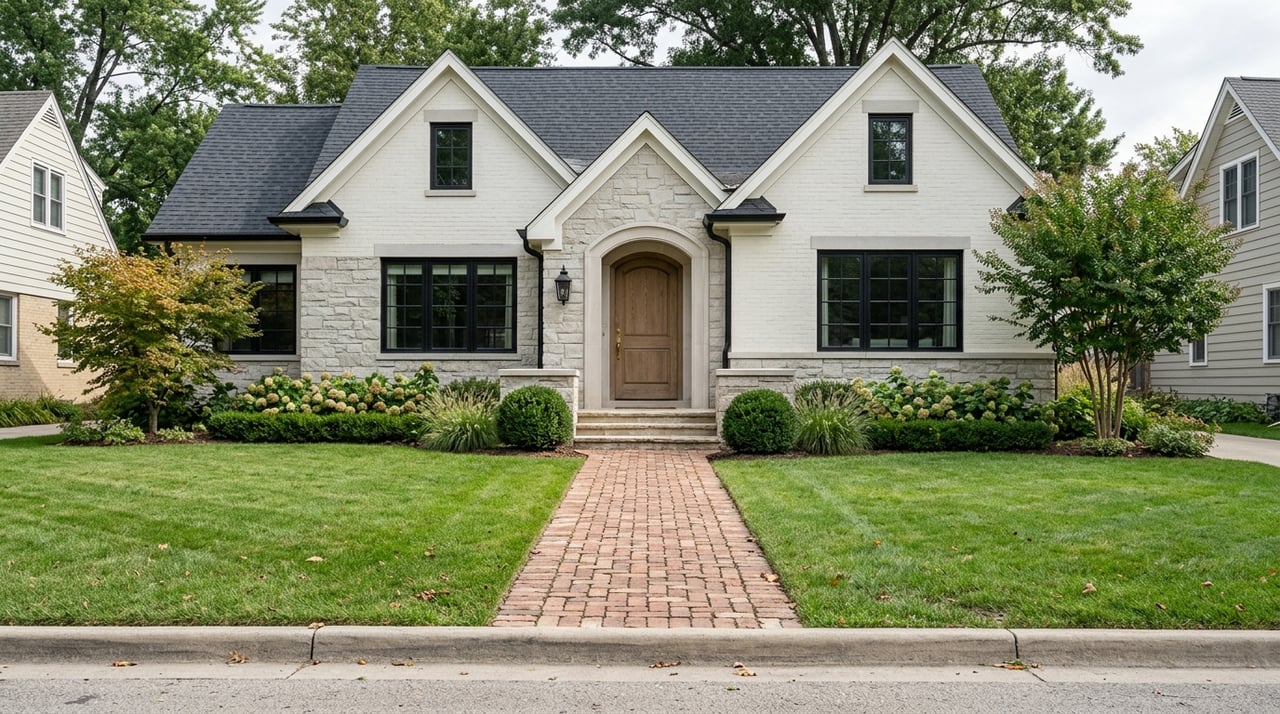
Capitol Hill rowhomes are typically vertical, with two to three levels plus a basement and sometimes an attic. Floor plans favor stacked rooms over wide open lofts. Renovated homes often range from about 1,200 to 2,400 square feet, depending on additions and whether the basement is finished. Many include a front stoop and a small rear yard that can be shaped into a garden, play area, or patio.
Condos: efficient footprints and amenities
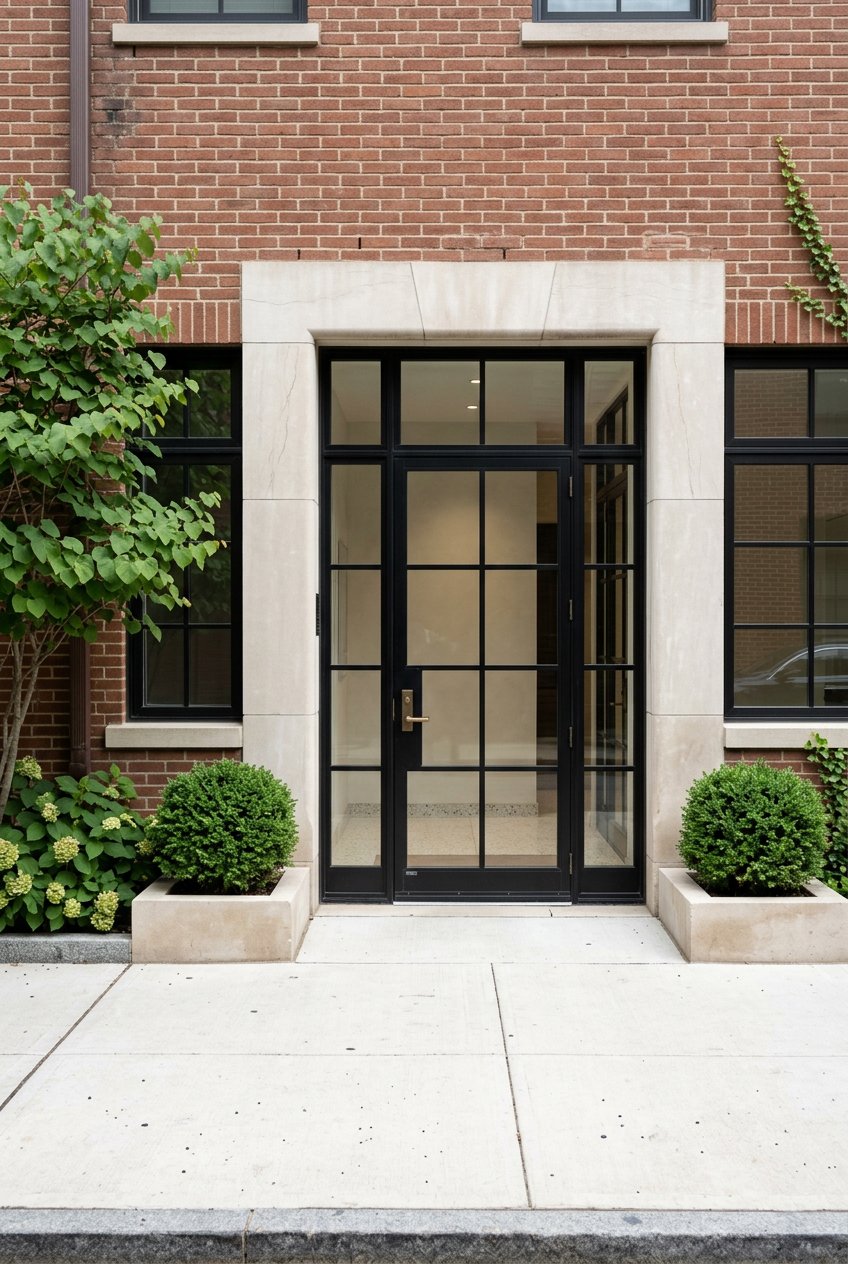
Condos on the Hill span converted rowhouse flats, newer boutique buildings, and larger towers. One‑bedrooms often come in under 800 square feet, while many two‑bedroom layouts in newer boutique buildings reach 1,000 to 1,200 square feet or a bit more. Amenity packages vary and can include roof decks, elevators, and fitness rooms. Those extras add convenience but also affect monthly HOA fees.
Outdoor space and parking
Rowhomes commonly include a private rear yard and sometimes off‑alley parking. Street parking is prevalent and managed by DC’s Residential Permit Parking program; be sure to confirm the specific rules for the block you’re considering. You can review how permits and guest passes work in the District through the city’s ParkDC permits overview.
Condos may offer deeded spaces or access to a shared garage, often for an added cost. If parking is a priority, factor the location and availability of on‑site or nearby parking into your search.
Noise, privacy, and maintenance rhythm
In a rowhome, you share party walls but do not have neighbors above or below your main living spaces. Sound can travel through older walls and floors, so construction quality and upgrades matter. As the fee‑simple owner, you handle all exterior and systems maintenance, from roofs and gutters to masonry.
In a condo, the association typically maintains the exterior and common systems. Your monthly fee supports that work, along with services named in the budget. You may benefit from quiet hours and building rules, though you can hear hallway or common‑area activity at times. The tradeoff is clear: less day‑to‑day maintenance on your plate, but more rules and monthly costs.
Ownership and rules
Rowhomes: fee‑simple and historic oversight
With a typical Capitol Hill rowhome, you own the land and the structure. Many homes fall within the Capitol Hill Historic District. Exterior changes that affect what is visible from the street are reviewed by the DC Historic Preservation Office and, depending on scope, the Historic Preservation Review Board. For a sense of what is recommended and commonly approved, review the Capitol Hill Restoration Society’s design guidelines and the DC Historic Preservation Office resource page.
Condos: unit plus shared elements
In a condo, you own your unit and a fractional interest in the common elements. A condo association manages the building and holds a master insurance policy. Your monthly HOA fee helps fund operating costs and reserves for future repairs. Before you buy, you’ll receive a resale package that should include the budget, financial statements, reserve study, meeting minutes, insurance declarations, any special assessments, owner delinquency rates, and the rules and bylaws. Industry guidance highlights why these documents matter, including what HOA fees typically cover and why reserves and insurance details are crucial. For a clear primer, review this property management FAQ on HOA finances and policies.
Financing and insurance
Condos: project approvals and underwriting
Many lenders need to confirm that the condo project meets agency standards. FHA, Fannie Mae, and Freddie Mac have project eligibility rules that address owner‑occupancy ratios, reserves, delinquencies, and insurance coverage. If a building is not on the FHA or agency approved lists, some loan products may be unavailable or come with different terms. You or your lender can check the HUD database on the FHA condominium lookup and verify project status through Fannie Mae’s Condo Project Manager before you assume certain financing will work.
Condo buyers should also confirm the master policy deductible and whether the association carries adequate replacement‑cost coverage and a fidelity bond. These details affect risk and can trigger owner assessments after a covered loss.
Rowhomes: traditional underwriting
Rowhomes are generally financed under standard single‑family guidelines and avoid project‑level approvals. You will carry a homeowners policy that covers the entire structure, and you are solely responsible for capital repairs and exterior upkeep.
Real examples on the Hill
- Boutique condo near Eastern Market: Recent listings in a 2017 boutique building show two‑bed units around 927 square feet, with a monthly association fee near $500. This setup fits a lock‑and‑leave lifestyle where building management handles exterior work and shared systems.
- Renovated rowhouse: Typical sales show two to three bedrooms with roughly 1,500 to 2,200 square feet, a private rear yard, and full owner responsibility for exterior maintenance. You gain more private space and control, with a higher maintenance role.
Unit sizes and fees vary by building and finish level. Use active listings to compare exact square footage, fee coverage, and parking across your shortlist.
How to decide: a clear framework
If you lean rowhome, evaluate
- Lot and yard: Confirm lot size, rear yard dimensions, and access, including alley conditions.
- Historic status: Review the property’s permit history for exterior work and understand what will require approval in the future.
- Systems and structure: Ask your inspector to focus on roof condition, gutters and flashings, foundation and wall cracks, cellar moisture, and the age and state of HVAC and plumbing.
- Masonry and exterior: Budget for periodic repointing and specialty trades for historic brick, windows, ironwork, and stoops. The CHRS guidelines are a helpful owner resource.
- Parking: Verify whether a legal curb cut or off‑alley parking exists and confirm local Residential Permit Parking rules via ParkDC.
If you lean condo, request and verify
- Full resale package: Current budget, last 2–3 years of financials, most recent reserve study and funding level, master insurance declarations and deductibles, delinquency schedule, meeting minutes, engineering reports, and any current or pending assessments.
- Lending fit: Ask whether the building is FHA or agency approved. If FHA financing matters to you, check the HUD condo lookup early and have your lender verify agency eligibility through Fannie Mae’s platform.
- HOA fees and coverage: Note what the monthly fee includes. On Capitol Hill, low‑amenity boutique buildings may run roughly in the $200 to $400 range per month, while full‑service buildings with elevators and more amenities can reach $600 to $1,000 or higher. The FS Residential overview explains typical inclusions.
- Rules and lifestyle: Confirm policies on pets, rentals, short‑term stays, and any special restrictions. Meeting minutes often reveal upcoming rule changes or enforcement trends.
Quick tradeoffs to keep in mind
- Space and family use: Rowhome typically wins for private square footage and a yard.
- Maintenance burden: Condo reduces direct exterior work but adds a monthly HOA fee.
- Historic character: Rowhome often delivers more original detail unless a condo is a careful conversion.
- Lock‑and‑leave ease: Condo wins for building management and amenities.
- Financing for low‑down buyers: Rowhome can be simpler than a non‑warrantable condo. Always check the building’s agency status first.
- Resale: Both can be liquid on Capitol Hill. Buyer pools and values depend on unit size, condition, parking, location, fees, and the health of the condo association.
Red flags to pause on
- Condos: Thin or unfunded reserves, pending litigation, high master policy deductibles, high owner delinquency, or missing FHA/agency approvals.
- Rowhomes: Unpermitted exterior work in a historic district, chronic basement water intrusion, significant structural concerns, or evidence of major deferred maintenance.
What this means for your search
Start with how you live. If you want maximum private space, a yard, and full control over design, a rowhome suits that vision. If turnkey convenience, shared amenities, and less hands‑on maintenance matter more, a condo can be the right call. From there, layer in your financing plan and risk tolerance. Review condo documents with the same care you would bring to a home inspection, and treat historic status as an advantage you plan around rather than a hurdle.
When you are ready to compare your top options on the Hill, align your budget with the style of living you want, not just the headline price. Vendor medians are helpful context, but your decision comes down to the specifics of a block, a building, and a floor plan.
If you want a clear side‑by‑side of active listings that fit your lifestyle, along with vetted lender, inspector, and contractor referrals, let’s talk. Schedule a Consultation with Jenna Gallant for tailored guidance and a private, design‑forward search experience.
FAQs
What do condo fees cover in Capitol Hill buildings?
- Fees typically fund building insurance, common‑area maintenance, management, utilities where included, and reserves for future repairs. Coverage varies by building. Review the budget and reserve study, and see this HOA finance overview for common inclusions.
How does the historic district affect rowhome renovations on Capitol Hill?
- Exterior changes visible from the street usually require review by the Historic Preservation Office or the Review Board. Start with the Capitol Hill Restoration Society guidelines and confirm procedures on the DC Historic Preservation Office site.
Can I use FHA financing to buy a Capitol Hill condo?
- Possibly. FHA loans require the building to meet FHA project eligibility. Check the HUD FHA condo lookup and have your lender confirm status with agency tools like Fannie Mae’s platform.
How does street parking work on Capitol Hill if I buy a rowhome?
- Many blocks use Residential Permit Parking. Review the permit types, guest passes, and zone rules through the city’s ParkDC permits information and confirm conditions for your specific block.
Are rowhomes or condos easier to resell on Capitol Hill?
- Both can sell well. Liquidity depends on unit size, condition, location, parking, fees, and, for condos, the association’s financial health and rules. Use recent, property‑type‑specific comps and remember that vendor medians vary by boundaries and dates.