Wondering whether McLean or Arlington will fit your day-to-day better? You’re not alone. Both offer exceptional Northern Virginia living, but the rhythm of life, commute options, and housing styles feel very different once you’re on the ground. In this guide, you’ll compare lifestyle, housing, commutes, parks, and schools so you can choose with confidence. Let’s dive in.
Lifestyle snapshot: McLean vs. Arlington
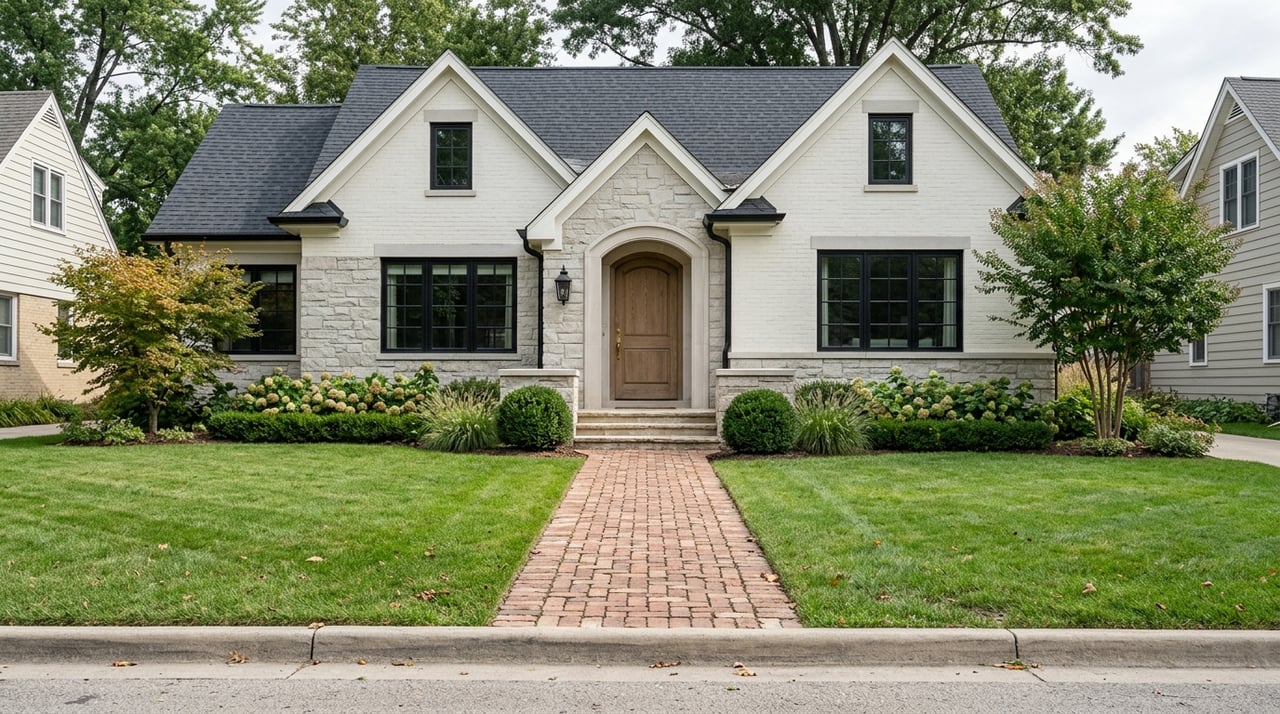
McLean leans suburban and private. You’ll see larger single-family homes on generous lots, quieter streets, and a lifestyle that often centers on home, clubs, and nearby Tysons for shopping and dining.
Arlington blends urban and suburban living. Along the Rosslyn–Ballston corridor you’ll find walkable neighborhoods, diverse housing, and frequent transit, with easy access to D.C. culture and dining across the river.
Homes and lot sizes
McLean is dominated by single-family homes, including many estate-scale properties. You’ll find quarter-acre parcels up to multi-acre lots in some areas, plus pockets of newer luxury builds. Townhomes and condos exist but are limited and often near major roads or close to Tysons.
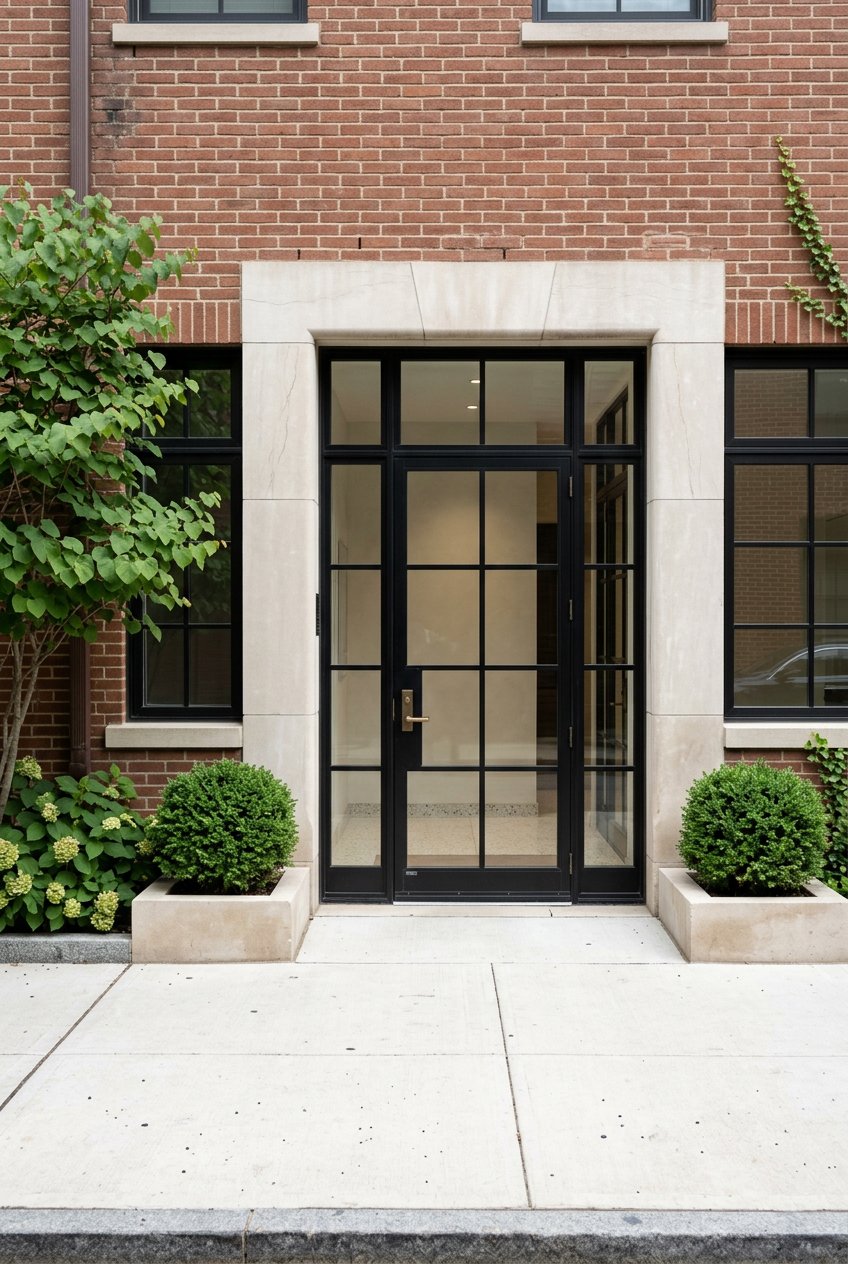
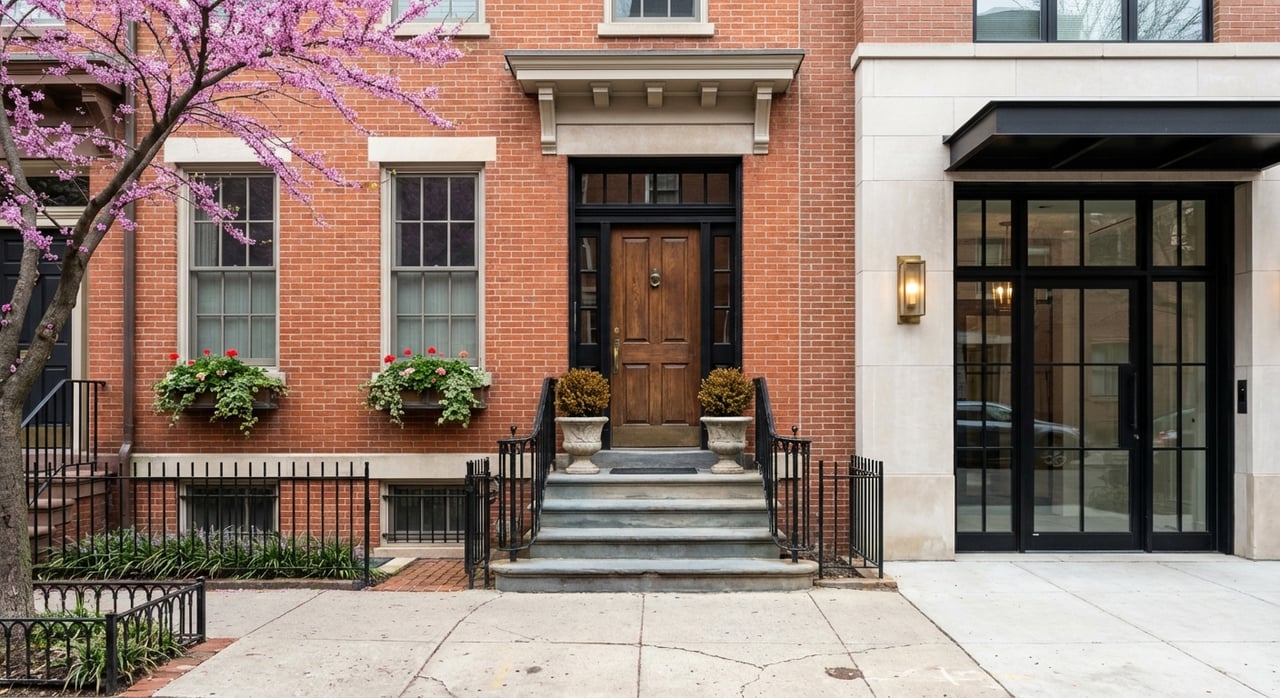
Arlington delivers housing diversity. High-rise condos and apartments cluster in Rosslyn and Courthouse, while Clarendon, Ballston, and nearby neighborhoods mix townhomes, rowhouses, and smaller single-family parcels. Zoning encourages higher density near Metro and along key corridors.
Budget pathways and market context
Both markets are high-cost compared with national averages. McLean’s larger lots and luxury inventory often translate to higher median prices for single-family homes. Arlington’s variety creates more entry points, especially through condos and townhomes, while certain Metro-proximate areas command premium pricing per square foot.
What this means for you:
- If a large-lot single-family home is your priority, McLean offers more options.
- If you want a condo or townhome with strong walkability, Arlington likely has broader selection.
- Ask for current neighborhood-level comps by property type. Conditions shift, and micro-location matters.
Commute and transportation
Metro and transit
Arlington has broad Metrorail coverage across Blue, Orange, Silver, and Yellow lines, plus frequent bus service. It suits transit-oriented commutes to D.C. and regional hubs.
McLean is more car-oriented. Within McLean proper, direct Metro access is limited, though adjacent Tysons has multiple Silver Line stations and major job centers. Many residents drive or use commuter services.
Driving and highway access
From Arlington, I-66, Route 50, and the George Washington Memorial Parkway offer shorter hops into D.C. and quick access to Ronald Reagan Washington National Airport. From McLean, the Capital Beltway, Dolley Madison Boulevard, Chain Bridge Road, and the Parkway connect you to Tysons, D.C., and the wider region. Travel times vary by time of day and exact starting point, so testing your route is essential.
Walkability, biking, and parking
Arlington’s core corridors score higher for walkability and bike access, with trails and bike lanes integrated into daily life. Many condo buildings reduce car dependence. In McLean, most neighborhoods are car-centric, and single-family homes typically include driveways and garages. Biking infrastructure is more limited outside of major trails.
Dining, retail, and nightlife
Arlington concentrates restaurants, cafés, and nightlife within walkable nodes like Clarendon, Courthouse, Ballston, and Pentagon City, with D.C. destinations just across the bridges. McLean features upscale restaurants and local boutiques, with Tysons Corner Center and Tysons Galleria nearby for extensive dining and luxury retail.
Parks and outdoor life
McLean gives you quick access to larger natural escapes. Great Falls Park, Riverbend Park, and Scott’s Run offer hiking, river views, and weekend adventure. Families also appreciate Clemyjontri Park and McLean Central Park.
Arlington’s green spaces are smaller but numerous and woven into daily routines. The Mount Vernon Trail supports long bike rides and runs, while Long Bridge Park, Gravelly Point, and Theodore Roosevelt Island provide riverfront vistas and easy trail time.
Schools and boundaries
Both areas are served by well-regarded public school systems. McLean is within Fairfax County Public Schools, with attendance zones that include schools such as Langley High School and McLean High School. Arlington is served by Arlington Public Schools, a smaller district with widely respected programs. School assignments and performance can vary by zone. Always verify current boundaries and the latest school data directly with the districts before you buy.
Ownership costs beyond the mortgage
- Property taxes are set by the counties and change periodically. Confirm current rates and any exemptions with Fairfax County and Arlington County.
- Condos and many townhomes include monthly association fees covering building services and amenities. These are more common in Arlington and near Tysons.
- Larger lots in McLean can bring higher landscaping and maintenance costs. In Arlington, urban parking or permit rules may affect carrying costs for some properties.
Safety and due diligence
Both areas generally compare favorably to many U.S. markets, but conditions are hyperlocal and can vary block by block. Review county police crime maps, talk to neighbors, and walk the area at different times of day to understand the local picture.
Which fits your lifestyle? Quick scenarios
- Prefer a large yard, quiet streets, and proximity to Tysons: choose McLean.
- Want a short transit commute, walkable dining, and condo or townhome options: choose Arlington.
- Looking for a more attainable entry point in the same region: explore Arlington condos and townhomes, plus select McLean townhomes.
- Seeking a larger single-family home with access to respected public schools: McLean offers more large-lot choices, while Arlington has fewer but still notable options.
A simple decision checklist
- Commute test: drive or ride transit during peak hours from each candidate neighborhood.
- Lifestyle map: list your top five non-work stops and time the route from each area.
- Fees and taxes: confirm county tax rates and any HOA or condo fees for each property.
- School verification: check current boundary maps with the districts.
- Future development: review county planning updates for upcoming projects that may change traffic, character, or amenities.
How Jenna streamlines the choice
You deserve a clear, calm path to the right home. With boutique, hands-on guidance, curated property shortlists, and neighborhood-level nuance, you can compare McLean and Arlington without guesswork. From tailored commute testing to school boundary confirmation and vetted vendor referrals, you’ll move forward with confidence.
Ready to find your Northern Virginia fit? Connect with Jenna Gallant to map your lifestyle, budget, and commute to the right address.
FAQs
Is Arlington or McLean better for a short D.C. commute?
- Arlington often offers shorter and more flexible transit options due to multiple Metro lines and bus networks, while McLean relies more on driving or Silver Line access via Tysons.
Where will I find larger lots and more privacy?
- McLean commonly features larger single-family lots and estate properties, offering more private, suburban settings than most Arlington neighborhoods.
How do the public schools differ between the two areas?
- McLean feeds into Fairfax County Public Schools and Arlington into Arlington Public Schools; both are well regarded, but boundaries and programs vary, so verify current assignments and data directly with the districts.
What if I want a walkable condo lifestyle?
- Arlington provides the widest selection of condos and walkable, mixed-use neighborhoods along the Rosslyn–Ballston corridor and near Pentagon City.
Which area offers better access to outdoor recreation?
- McLean offers quick access to larger natural parks like Great Falls, while Arlington integrates many smaller parks and direct access to the Mount Vernon Trail and riverfront green spaces.
How should I compare total ownership costs?
- Review county property tax rates, HOA or condo fees, parking or permit rules, and maintenance needs; larger McLean lots may mean higher upkeep, while Arlington condos often include monthly association fees.